Baduanjin and blood pressure: what a year-long study tells us
Meet the eight-movement practice, understand the research, and put it in the context of everyday exercise and blood-pressure monitoring.
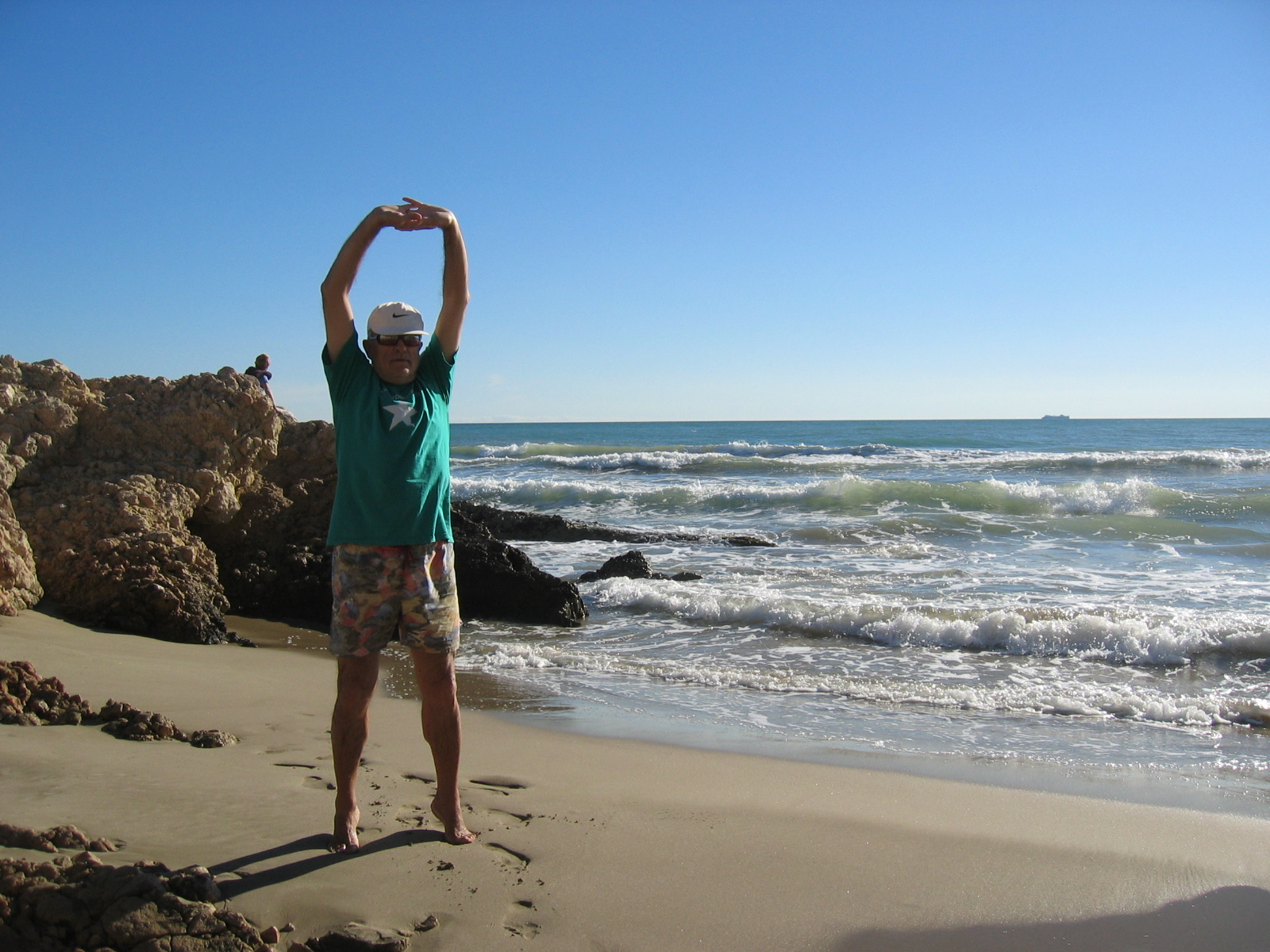
Baduanjin, also called Eight Brocades, is a Chinese exercise sequence built around eight movements. The US National Center for Complementary and Integrative Health lists it as a form of qigong, combining movement, breathing and attention. For a newcomer, begin with what is visible: arms lifting, opening sideways or moving in opposite directions, accompanied by changes in stance.
Recognising the movements
The historical demonstration photographs here make those shapes easier to recognise. The cover shows an overhead reach; the bow-drawing image pairs an extended arm with a bent elbow; another photograph shows one hand raised and the other lowered. They are not photographs of the 2026 trial or a complete movement lesson. A still image cannot show a transition, the pace of breathing or how an instructor would adapt a movement for someone else.
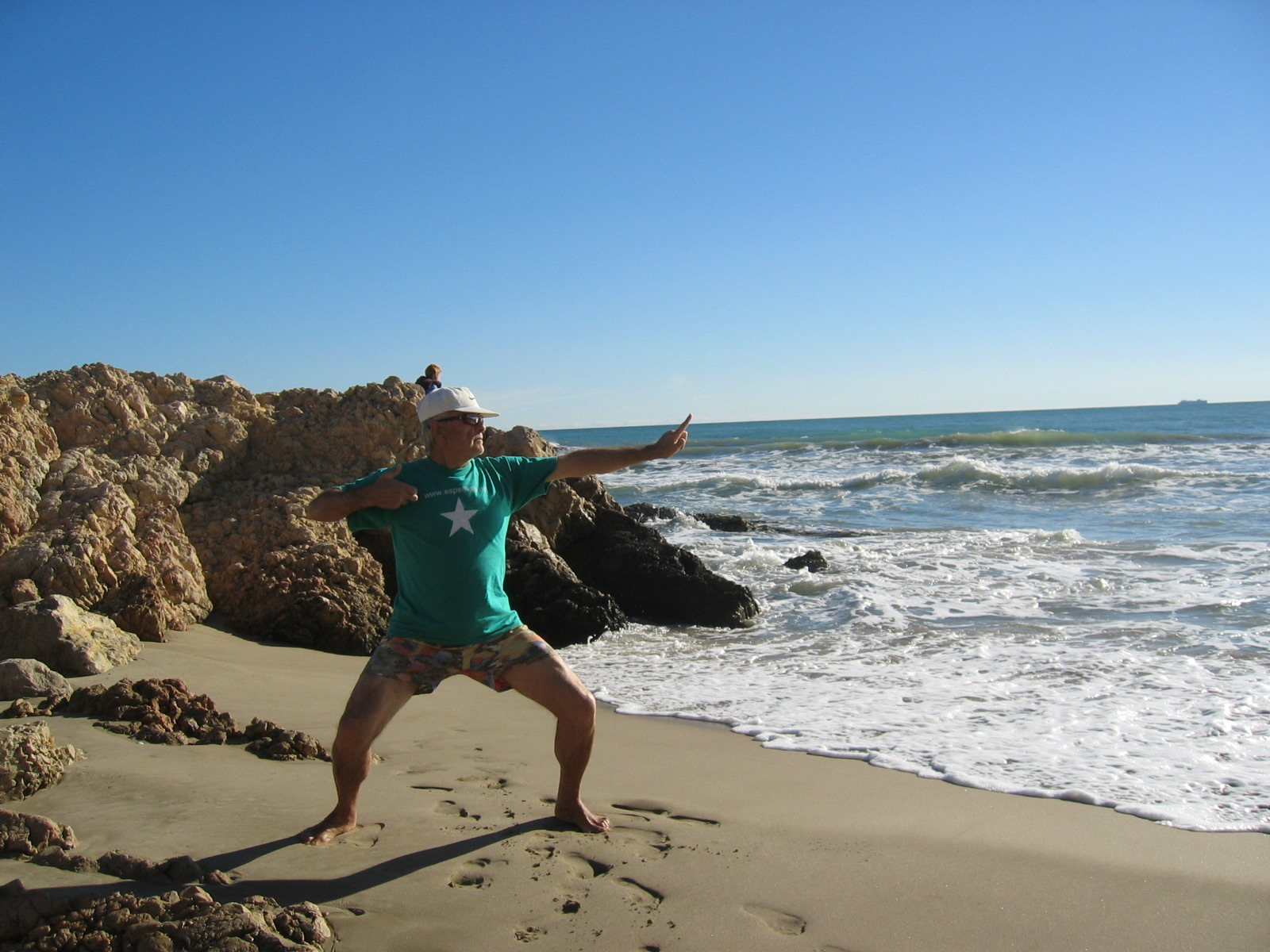
Baduanjin’s second movement, photographed by Joan Inglada in November 2006. The arm directions and stance introduce its shape; this is not a photograph from the study.
What the study actually tested
A randomized trial published in JACC on February 18, 2026 enrolled 216 adults aged 40 or older with study-defined high-normal blood pressure: systolic 130–139 or diastolic 85–89 mmHg. At 52 weeks, Baduanjin reduced 24-hour systolic pressure by 3.3 mmHg more than self-directed exercise. Its difference from brisk walking was not statistically significant. These findings establish neither age reversal nor superiority over walking.
Two questions make health coverage more useful: what was compared, and what do you want to improve? Blood-pressure readings, the way exercise feels and changes in appearance are different observations. One cannot stand in for another. A story using the word younger might simply mean more energetic; a claim about biological age needs evidence for that particular measure, not just a photograph of someone looking well.
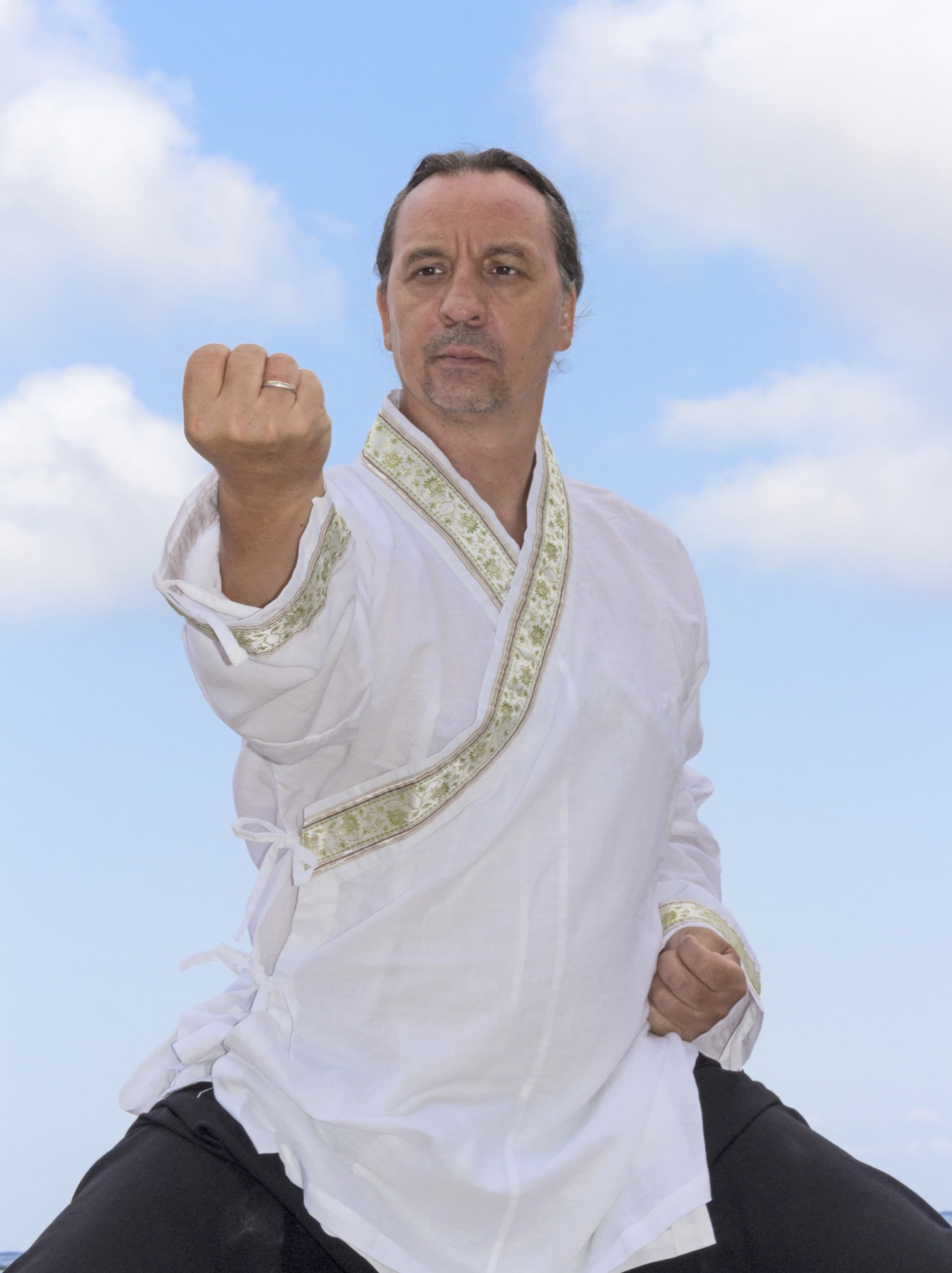
Panagiotis Kontaxakis demonstrating Baduanjin’s seventh movement in Amorgos, Greece, on September 15, 2015. Spiros Doikas’s close-up shows the arm and fist; it documents neither a health outcome nor trial participation.
If you want to try the practice, look for an instructor who explains movements and can discuss adaptations. NCCIH recommends checking an instructor’s training and experience, and advises against postponing medical care because of qigong. Discuss pregnancy or health concerns with a healthcare professional before starting. The photographs introduce the movement shapes; they are not targets for how far you should reach or bend.
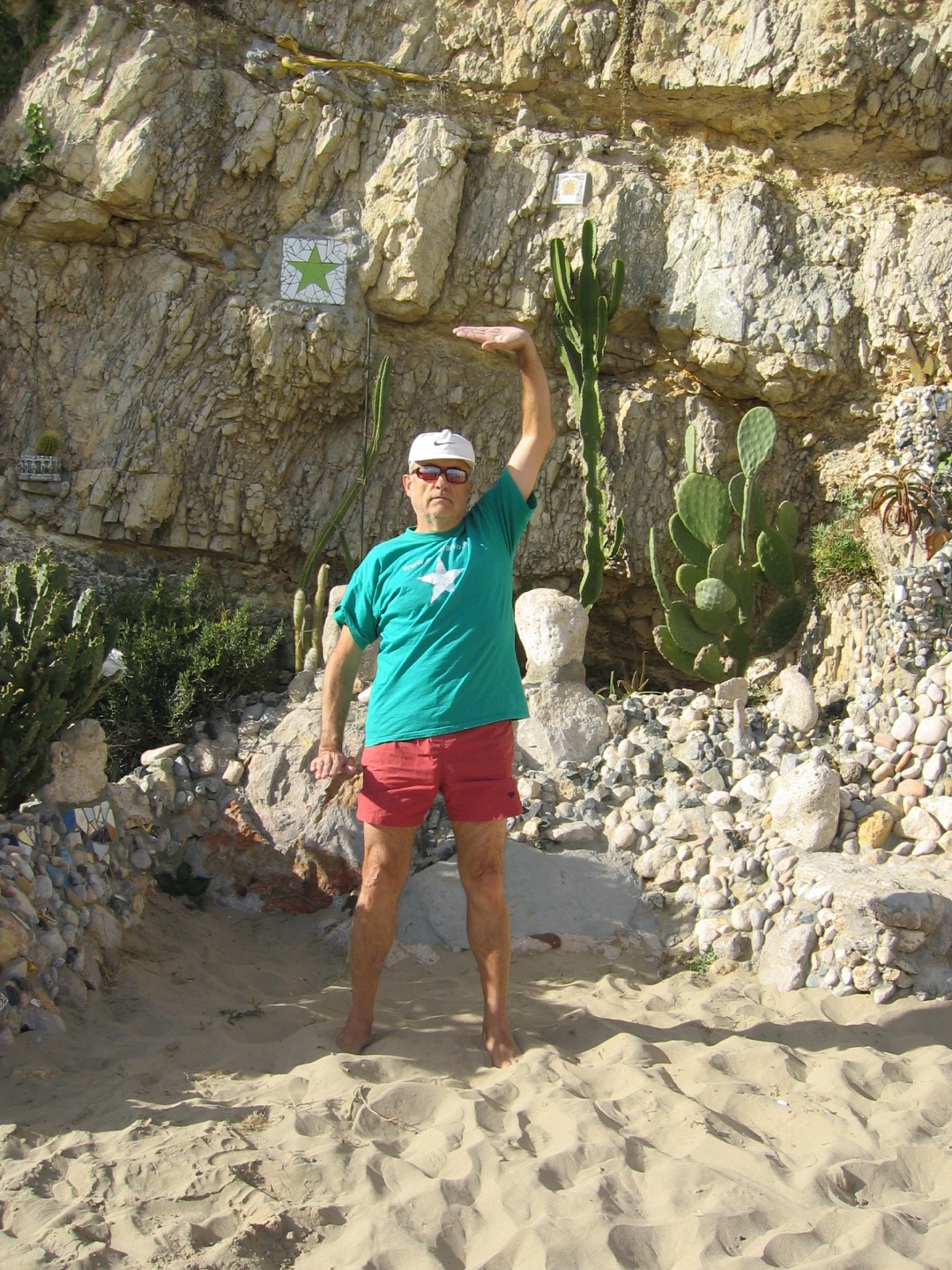
Another demonstration from November 2006. The hands moving in opposite vertical directions contrast with the bow-drawing pose; a still photograph cannot convey the full breathing pattern or transition.
Making room for it in everyday life
Keep the rest of your week in view. WHO’s adult guidance includes 150–300 minutes of moderate aerobic activity and muscle strengthening on at least two days each week. Completing one exercise sequence does not automatically meet every activity goal. An exercise diary can separate walking, other aerobic activity, strength work and Baduanjin, helping you see which kinds of movement your routine includes. Plan intensity and progression around your abilities and health circumstances.
For blood pressure, consistent records are more useful than a single check immediately after exercising. The American Heart Association recommends a validated upper-arm monitor with a correctly sized cuff. Rest quietly for five minutes first; avoid exercise, smoking and caffeine for 30 minutes beforehand. Measure at consistent times, taking two readings a minute apart. Share the record with your clinician and do not stop medication on your own. The equipment photograph illustrates a device type, not a product recommendation.
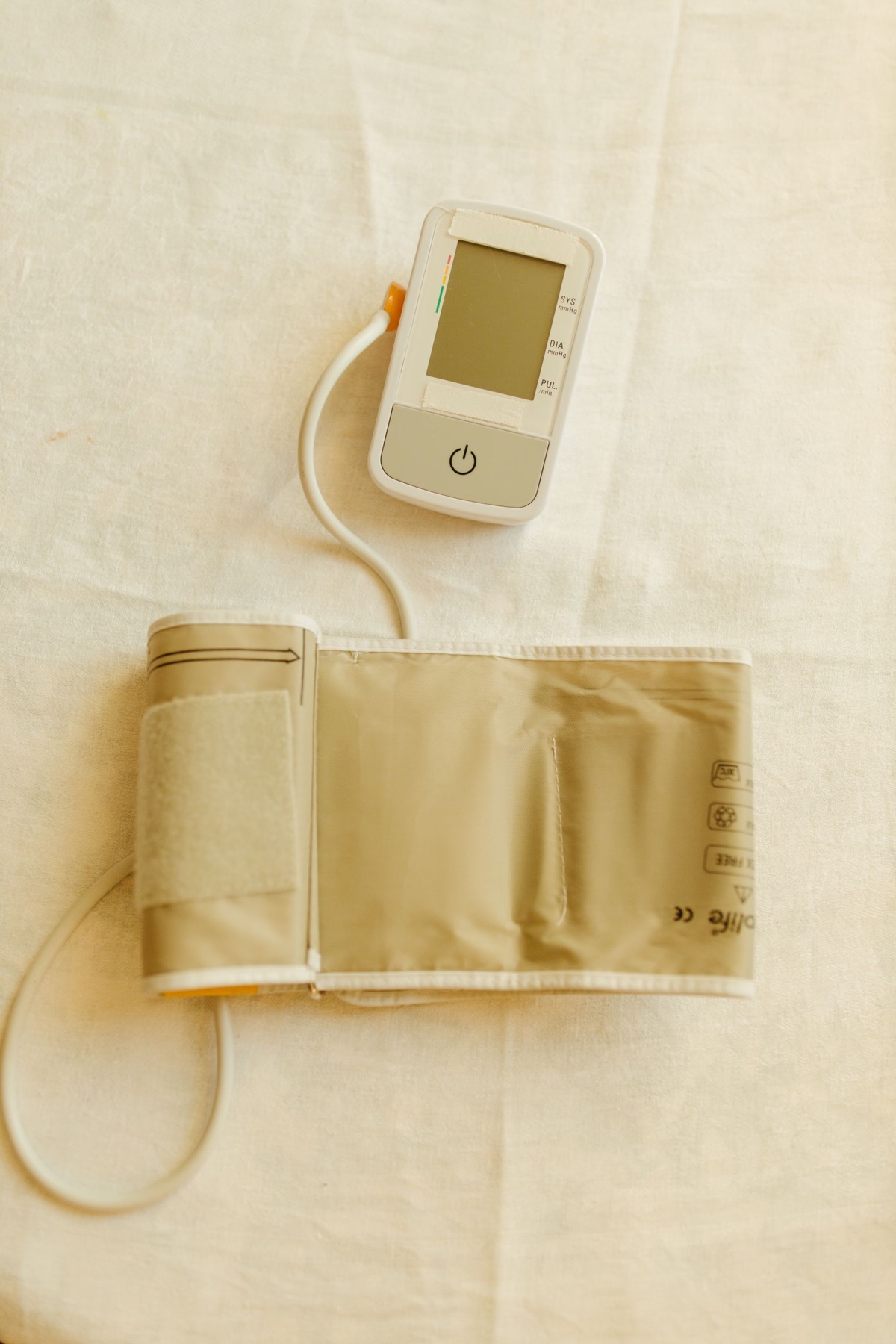
A real equipment photograph by Yaroslav Shuraev, taken in May 2021. It shows the monitor and upper-arm cuff, not the study’s equipment or an endorsed product.
A useful takeaway is a record you can review: when you moved, whether the practice felt comfortable, which sessions fit your schedule, and what you need to discuss with an instructor or clinician. Real photographs can help you recognise Baduanjin, while research can answer a carefully defined question. Your next step is deciding where the practice belongs in an achievable routine, rather than chasing a promise of looking younger.
m3.Read a little further
The public sources behind this story.
- 01JACC — Effect of Baduanjin on Blood Pressure Among Individuals With High-Normal Blood Pressure18 Feb 2026
- 02NCCIH — Qigong: What You Need To Know (updated February 2022; exact day not supplied)
- 03WHO — Guidelines on physical activity and sedentary behaviour: at a glance4 May 2021
- 04American Heart Association — Home Blood Pressure Monitoring14 Aug 2025
- 05WHO — Physical activity: adult aerobic and strengthening recommendations