Godfrey Gao’s Style Archive: Tailoring, Texture and a Quiet Presence
A 2016 portrait and four distinct 2013 event photographs revisit the model and actor through checked tailoring, textured jackets and an approachable on-camera presence.
 M3 / THE CULTURE EDIT
Godfrey Gao’s appeal in these photographs lies in the balance between a clearly defined outline and an unforced expression. The Taiwanese-Canadian model and actor became the first Asian male model featured in a Louis Vuitton campaign in 2011. This is a retrospective: Gao died on 27 November 2019. The images gathered here come from 2013 and 2016, pairing the concentration of a studio portrait with the warmth of a public conversation.
His modelling and acting careers offer two useful ways into that archive. Louis Vuitton brought his face into international fashion advertising; his role as Magnus Bane in the 2013 film The Mortal Instruments: City of Bones connected him with a different audience. The four event images below were made by Gage Skidmore during the film’s San Diego Comic-Con panel on 19 July 2013. They record the same appearance at different moments, allowing a close look at one outfit.
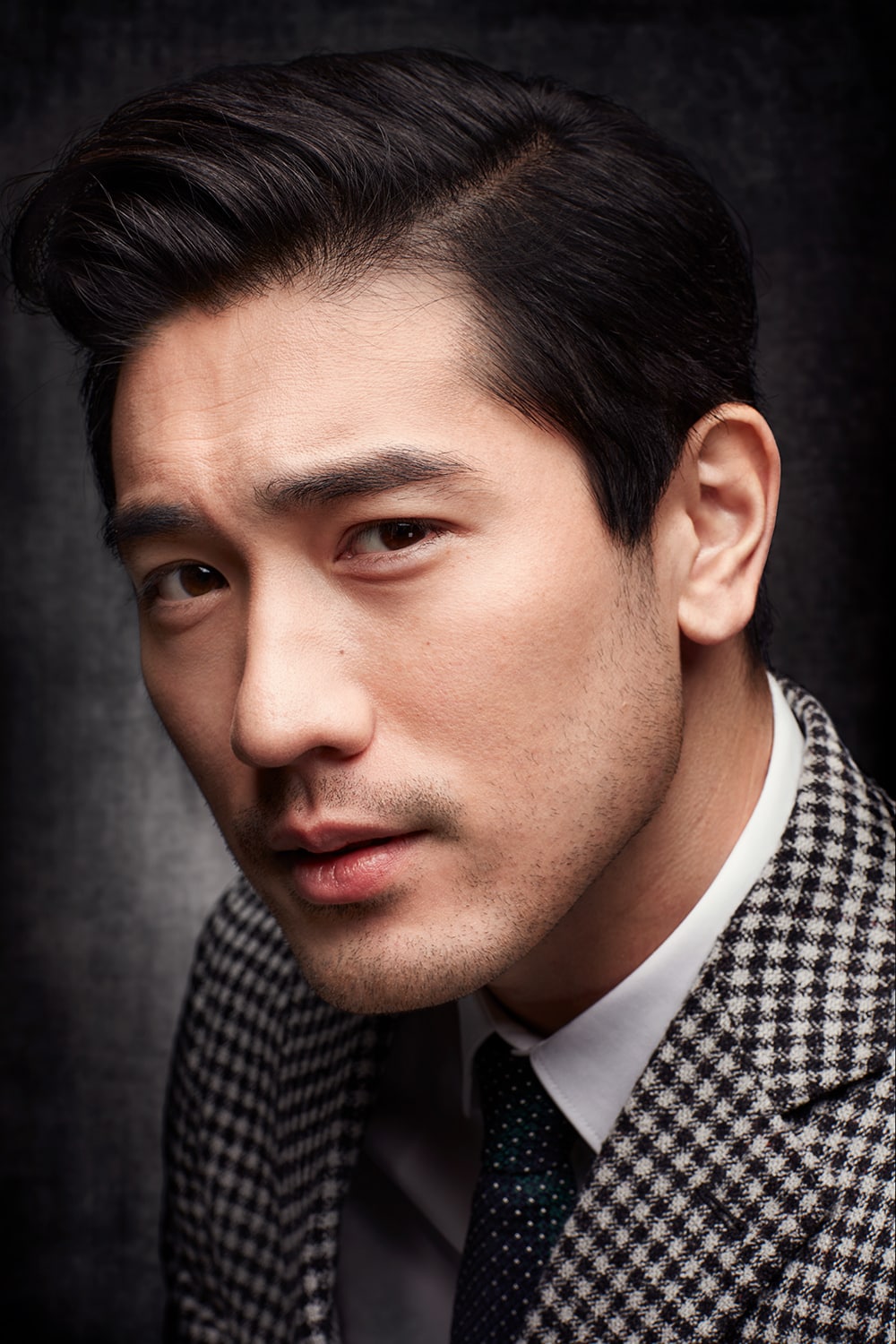
The cover, photographed by Lü Haiqiang on 16 December 2016, is a more controlled portrait. A black-and-white checked jacket surrounds a white collar and a dark tie with small dots. Because the colour range is narrow, the patterns remain secondary to the face. The turned head and swept hair create a diagonal movement across the frame, softening the geometric fabric. It is a good image to study when considering patterned tailoring: a visible motif can be strong without becoming the only thing a viewer notices.
The 2013 entrance photograph is lighter in mood. Gao waves with an open hand and wears a textured dark jacket over a white V-neck T-shirt. The jacket supplies an outer frame; the T-shirt introduces a bright central panel that follows the neckline. A small necklace gives that open area one extra point of interest. The smile and raised hand are as important to the result as the clothes. They make a structured garment feel part of an informal exchange with an audience.
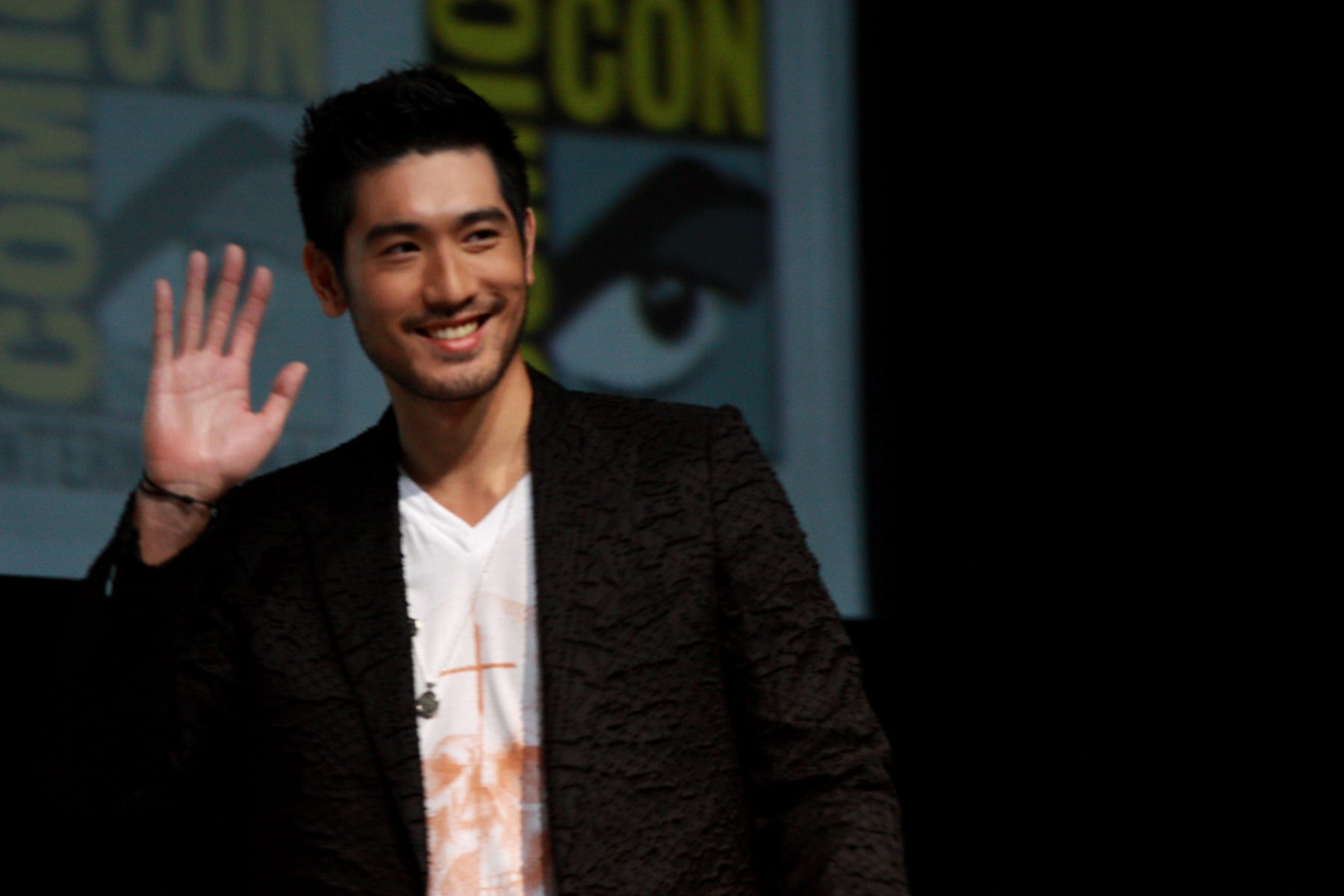
Archive, 19 July 2013: Gao waves at The Mortal Instruments: City of Bones panel during San Diego Comic-Con.
Once he is seated at the microphone, the jacket’s surface becomes easier to read. The dark-on-dark pattern adds depth without a large change of colour, and its lapels remain visible against the white shirt. Compare this with the checked jacket on the cover: one uses contrast between black and white, the other relies on texture within a darker tone. Both give the eye something to examine after the face. The shared white neckline makes the difference especially easy to see: a similar bright centre supports two quite different surfaces.
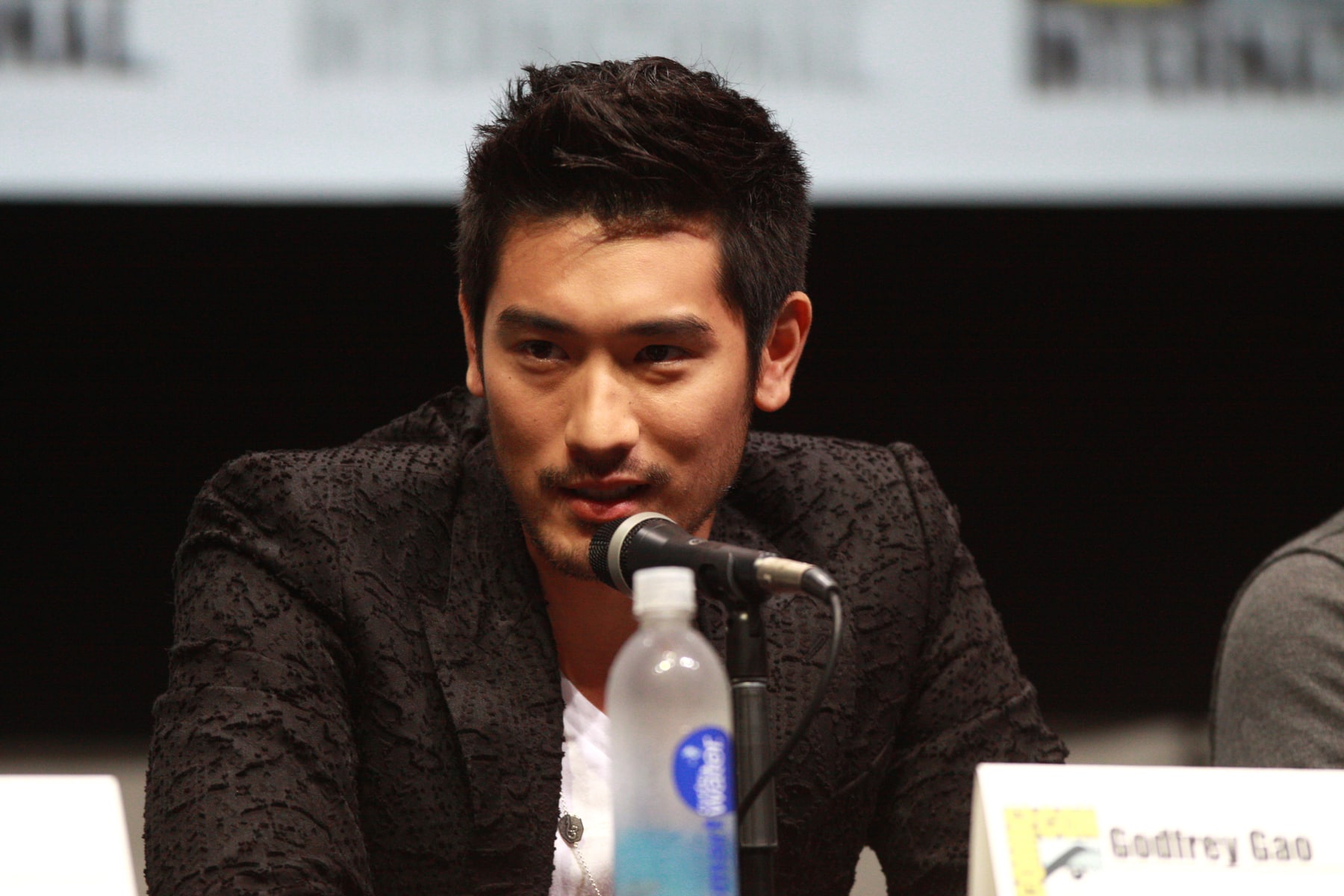
Archive, 19 July 2013: the textured jacket and white V-neck shirt during the same film panel.
The remaining panel photographs show how small changes of angle affect a portrait. In one, his hands are together and he looks forward; in another, he turns towards the side while speaking. The collar and jacket stay much the same, but the relationship between his eyes, shoulders and the camera shifts. For someone collecting portrait references, that distinction is useful: save a variety of genuine expressions instead of expecting one fixed pose to work in every setting.
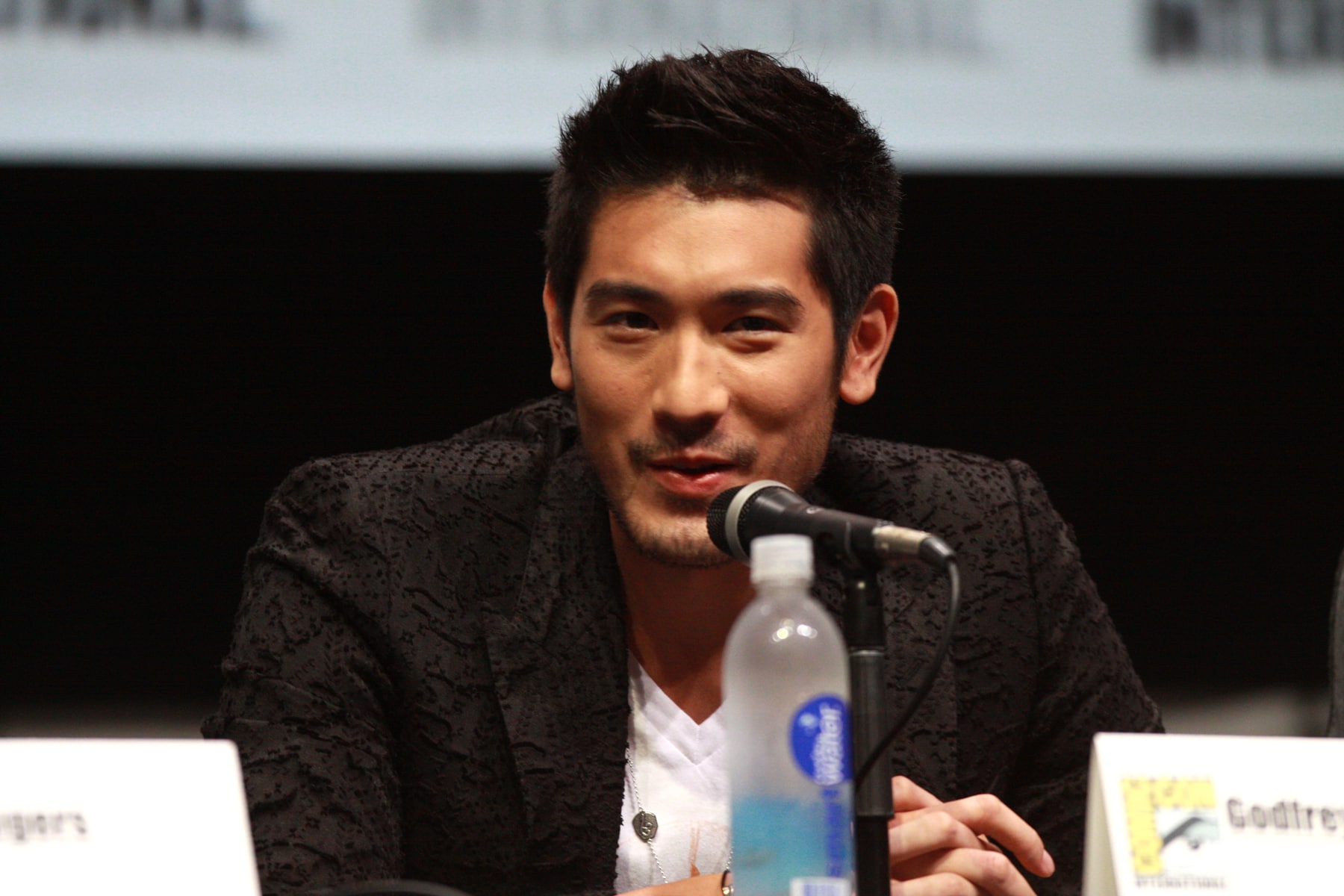
Archive, 19 July 2013: Gao sits with his hands together during the film’s Comic-Con panel.
The enduring wardrobe idea here is a clear frame with a softer centre. A jacket can define the shoulders while a simple shirt and relaxed expression keep the person visible. Gao’s checked portrait and conversational event photographs show different degrees of formality, yet neither needs a crowd of accessories to hold attention. Looking closely also preserves the specificity of his work: a documented fashion milestone, a particular film appearance and photographs made by named people, each with its own date and context.
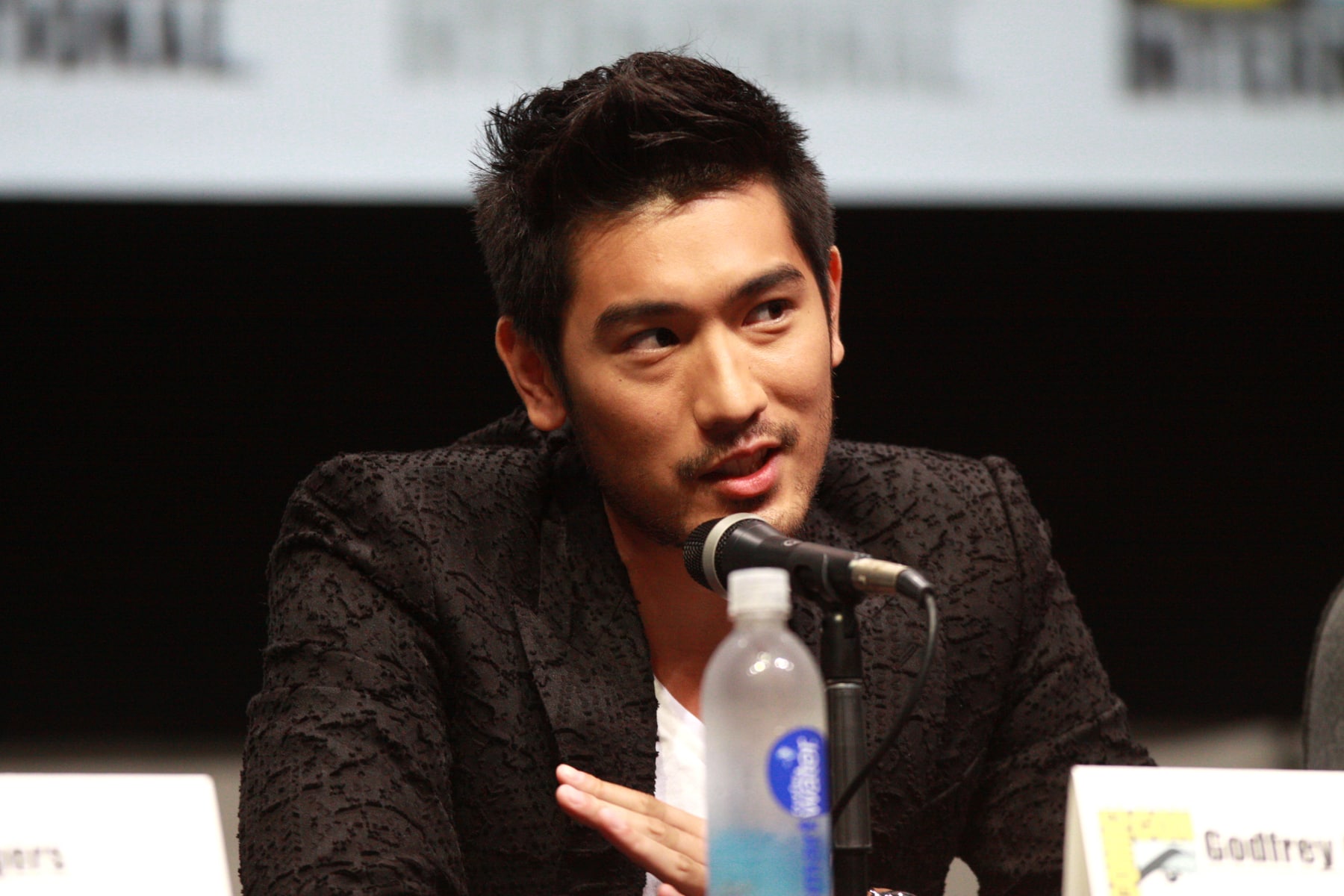
Archive, 19 July 2013: Gao turns to the side while speaking at San Diego Comic-Con.
Read a little further
The public sources behind this story.